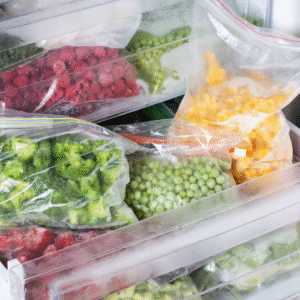
Leftovers often end up in the bin, contributing to food waste and unnecessary expenses. Creative ways to use leftovers not only reduce waste but also save money and enhance meal planning. By transforming last night’s dinner into new culinary delights, individuals can enjoy diverse meals while making the most of their resources.
Utilising remnants from previous meals can inspire innovative dishes. She can turn roasted vegetables into a hearty soup, while stale bread can be repurposed into delicious croutons or breadcrumbs. Such strategies not only keep meals interesting but also promote sustainability in the kitchen.
Expanding one’s culinary repertoire with leftovers encourages mindful cooking. It shifts the focus from merely finishing meals to inventively repurposing food, making meal planning more efficient and economical. This approach benefits both the palate and the pocket, adding value to everyday cooking.
Maximising Leftover Ingredients
Utilising leftover ingredients not only reduces waste but also enhances meal creativity. Various methods exist for transforming common leftovers into appetising dishes that save time and money.
Reviving Stale Bread into Delicious Recipes
Stale bread doesn’t have to go to waste. It can be reimagined in many ways.
- Croutons: Cube stale bread, toss it with olive oil, garlic, and herbs, then bake until golden. These crunchy additions are perfect for salads or soups.
- Frittata: Layer pieces of stale bread into a frittata. Combine them with beaten eggs, leftover vegetables, and cheese for a filling dish.
- Ribollita: A traditional Tuscan soup, ribollita mixes stale bread with vegetables and beans for a hearty meal.
These methods transform stale bread into enjoyable components of new dishes.
Transforming Leftover Chicken into New Meals
Leftover chicken can easily be repurposed into a variety of satisfying meals.
- Chicken Salad: Chop the leftover chicken and combine it with mayonnaise, celery, and herbs for a quick salad.
- Enchiladas: Fill tortillas with shredded leftover chicken, top with sauce and cheese, then bake for a delicious dinner.
- Chicken Stir-Fry: Sauté the chicken with mixed vegetables and serve over rice for a quick meal.
Utilising leftover chicken helps create diverse and flavourful recipes without much effort.
Versatile Uses for Leftover Rice and Pasta
Rice and pasta are versatile staples that can enhance many dishes.
- Fried Rice: Sauté leftover rice with vegetables, soy sauce, and an egg for a quick and easy dish.
- Pasta Bake: Combine leftover pasta with cheese and sauce, then bake until bubbly for a comforting meal.
- Rice Salad: Mix cold leftover rice with vegetables, herbs, and a dressing for a refreshing salad.
These ideas showcase how leftover rice and pasta can seamlessly fit into various meals, minimising waste while maximising flavour.
Creative Repurposing of Specific Leftovers
Leftovers can transform into delicious dishes with minimal effort. By creatively repurposing various ingredients, it is possible to minimise waste while enjoying a variety of meals.
Crafting Casseroles with a Mix of Leftovers
Casseroles are an excellent way to combine different leftovers into one hearty meal. For example, leftover cooked vegetables can easily find a new life alongside proteins such as chicken or beef. Start by preheating the oven to 180°C. In a large mixing bowl, combine assorted chopped leftovers. Add starch, such as pasta or baked potatoes, and bind the mixture with a creamy sauce, like béchamel or a can of soup. Transfer the mixture to a baking dish and top it with cheese or breadcrumbs for crunch. Bake for 30 to 40 minutes until golden and bubbly. This method reduces waste and creates a comforting dish.
Innovative Ideas for Leftover Vegetables
Leftover vegetables can be versatile and flavourful when creatively repurposed. Sautéing leftover cooked vegetables with garlic and olive oil can become a tasty side dish or a base for a soup. Another option is to incorporate them into omelettes or frittatas. Simply whisk some eggs, mix in chopped vegetables, and cook until set. Vegetable stir-fries are another great choice, allowing for flavour combinations that suit any palate. Toss the leftover veggies in a hot pan with soy sauce and ginger for a quick meal. This maximises the use of existing ingredients while preventing food waste.
Refreshing Salads Using Leftover Ingredients
Leftover ingredients can elevate salads into satisfying meals. Start by mixing leftover proteins, such as grilled chicken or tofu, with greens, nuts, and seeds for added texture. Incorporate grains like quinoa or couscous for a more filling option. Include any leftover vegetables to enhance the flavours and nutritional value. Dress the salad with a simple vinaigrette made from olive oil, vinegar, and seasonings to tie everything together. Adding leftover cheeses can also bring creaminess and depth of flavour. This approach turns simple greens into a vibrant, nourishing meal.
Culinary Inspirations for Minimising Waste
Creative strategies can transform leftover ingredients into delicious, cost-effective meals. Focusing on inventive uses for meats and breakfast items can significantly reduce food waste while providing variety and satisfaction.
Turning Leftover Meats into Tasty Treats
Leftover meats can easily be reimagined into exciting new dishes. For example, chicken can be used to prepare a Buffalo Chicken Wrap by mixing shredded chicken with buffalo sauce, and tossing it in a tortilla with lettuce and cheese. Ham, another versatile ingredient, lends itself well to stuffed peppers. Simply mix diced ham with rice, vegetables, and spices, then stuff into halved peppers and bake until tender.
In addition, leftover bacon can elevate any dish. Adding crumbled bacon to a stir-fry enhances flavour and texture. Moreover, any leftover meats can be added to tacos. By combining the meat with toppings like avocado, salsa, and cheese, tacos become an easy and satisfying meal option.
Revamped Breakfast Ideas from Previous Meals
Breakfast can also benefit from creative repurposing. For instance, leftover porridge can be transformed into energy-boosting porridge muffins. Mixing the porridge with flour, eggs, and fruit creates a nutritious breakfast treat that is easy to grab on busy mornings.
Another option involves using leftover vegetables and meats in an omelette. This dish allows for a variety of ingredients, ensuring a fulfilling breakfast. One can also incorporate leftover bacon into a breakfast sandwich, layering it with eggs and cheese in a roll for a hearty start to the day. Emphasising innovation in meal preparation helps to minimise waste while keeping meals exciting.
Practical Tips on Storing and Reusing Leftovers
Storing leftovers properly can extend their life and reduce food waste. Here are some practical tips:
- Use Airtight Containers: Choose BPA-free plastic or glass containers with tight-fitting lids. This helps maintain freshness and prevents contamination.
- Label Everything: Mark containers with the date and contents. This ensures they can be easily identified and consumed within safe time frames.
- Store in Portions: Divide larger amounts into smaller portions before freezing. This makes it easier to reheat only what is needed.
- Refrigeration Guidelines: Consume refrigerated leftovers within 3-4 days. For longer storage, consider freezing them.
- Creative Reuses:
- Leftover cooked pasta can be turned into a pasta salad or stir-fried for a quick meal.
- Mashed potatoes can be transformed into potato cakes or added to soups for thickness.
- Baked Potato Skins: Don’t discard the skins. They can be filled with cheese and toppings, and then baked for a delicious snack.
- Quesadilla Filler: Leftover proteins and vegetables can be used as fillings for quesadillas. Simply layer ingredients between tortillas and grill.
- Freeze Wisely: Foods suited for freezing include soups, stews, and certain casseroles. Ensure they are cooled before freezing to preserve texture.
Implementing these tips helps maximise the use of leftovers, creating new meal options and reducing waste.