Busy weeks often leave little time for cooking, making freezer-friendly meals an essential solution. These meals can be prepared in advance, stored efficiently, and reheated quickly without compromising on taste or nutrition. Freezer-friendly meals offer convenience, save time, and reduce stress during hectic schedules.
Many people overlook the variety and flexibility that freezer meals provide. From hearty stews to vegetable-packed dishes, there are options to suit any palate and dietary requirement. This approach helps maintain a balanced diet even when time is limited.
Meal planning with freezer options also cuts down on food waste and supports better portion control. By dedicating a few hours to cooking and freezing, anyone can enjoy homemade meals throughout the busiest of weeks.
The Benefits and Basics of Freezer-Friendly Meals
Freezer-friendly meals simplify busy weeks by saving time, reducing waste, and ensuring easy access to nutritious food. Knowing which foods freeze best and how to store them safely maximises their convenience and maintains quality.
Time-Saving Strategies for Hectic Weeks
Meal prep with freezer meals allows cooks to prepare multiple dishes in one session, saving hours later. Cooking in bulk and freezing portions cuts down daily cooking and cleaning.
Easy freezer meals often include soups, stews, casseroles, and cooked grains that reheat quickly. Labelling meals with the date and contents speeds up meal selection during busy days.
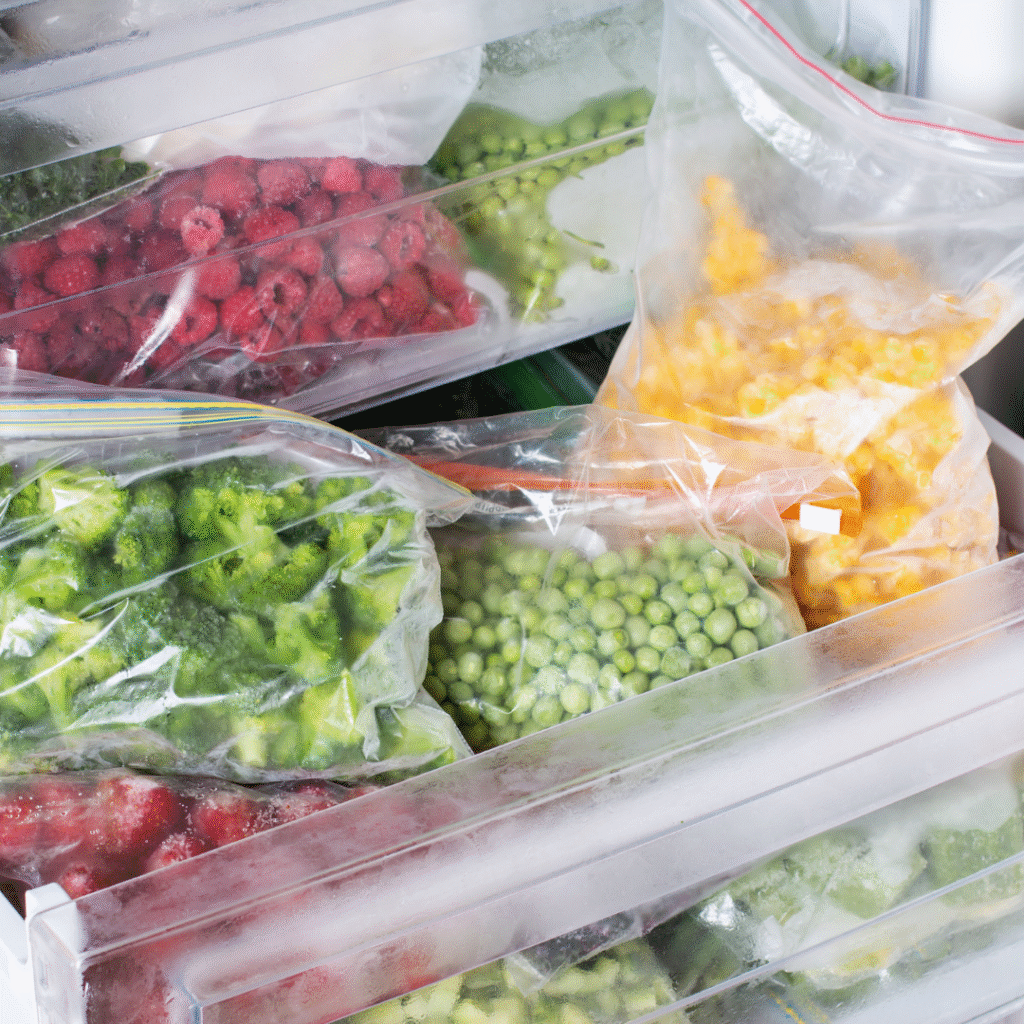
Using airtight containers or freezer bags prevents freezer burn and keeps meals fresh. Planning menus around freezer-friendly options reduces last-minute cooking stress during hectic periods.
What Foods Freeze Well and What to Avoid
Foods like cooked meats, vegetables, soups, stews, and baked goods freeze well due to their texture and moisture levels. Legumes, rice, and pasta also hold up well after freezing if cooked properly.
Avoid freezing raw potatoes, mayonnaise-based dishes, or high-water-content items like cucumbers, which tend to become mushy. Cream sauces may separate after thawing and lose texture.
Blanching vegetables before freezing preserves colour and nutrients. Separating portions before freezing allows for easy defrosting and reduces waste.
How Long Freezer Meals Last and Food Safety
Most freezer meals maintain quality for 1 to 3 months, though some, like baked goods, can last up to 6 months. For best safety, consume cooked meals within 3 months and check for freezer burn.
Freezing does not kill bacteria but slows their growth. Properly cooling food before freezing and maintaining a freezer temperature at -18°C or lower is essential.
Defrost meals in the refrigerator or microwave rather than at room temperature to reduce bacterial risk. Reheating to an internal temperature of 75°C ensures the meal is safe to eat.
Essential Freezer Meal Preparation Techniques
Effective freezer meal preparation depends on organised cooking, careful packaging, and safe reheating. These elements ensure meals retain flavour, texture, and nutritional value when stored for busy weeks.
Batch Cooking and Portioning
Batch cooking involves preparing large quantities of meals in one session, saving time across multiple days. It is crucial to cook meals fully before freezing to avoid bacterial growth during reheating.
Portioning meals into single or family-sized servings helps control portions and reduces waste. Use airtight containers or freezer bags, leaving about 2cm of space for food expansion when freezing liquids or casseroles.
Labelled portions also help track inventory and reduce freezer overload. Consistency in portion size supports balanced meal prepping and makes thawing times predictable.
Proper Packaging and Labelling
Packaging must prevent freezer burn and moisture loss. Use thick, airtight containers or vacuum-sealed bags designed for freezer use to maintain freshness. Double-bagging fragile items can provide extra protection.
Remove as much air as possible before sealing packages. Flat packaging allows food to freeze and thaw more evenly and saves space.
Labelling should include the meal name, date of freezing, and reheating instructions if needed. Clearly written labels prevent food from being forgotten and support food safety by tracking storage duration.
Thawing and Reheating Best Practices
Thawing meals safely is key to avoiding bacterial growth. The most reliable method is refrigeration thawing, which may take 24 hours but keeps food at safe temperatures.
For quicker thawing, use the microwave or cold water submersion in sealed packaging, changing water every 30 minutes. Avoid thawing at room temperature.
Reheating should bring food to an internal temperature of at least 75°C (167°F). Stir food during reheating to distribute heat evenly. Some meals, like stews or pasta dishes, also taste better if allowed to rest briefly after reheating.
Top Freezer-Friendly Meal Ideas for Busy Schedules
Choosing meals that freeze well and reheat quickly can simplify weeknight dinners. Reliable options include dishes with robust flavours and textures that hold up after freezing. Meals with a good balance of protein, vegetables, and starches work best.
Comfort Food Classics
Classic comfort food like lasagna, meatloaf, and shepherd’s pie freeze well and reheat easily. These meals generally contain a mix of protein, vegetables, and carbohydrates, making them satisfying and balanced. Preparing large portions at once saves time later.
Casseroles, mashed potatoes, and creamy macaroni cheese maintain their taste and texture after freezing when properly stored. Portion meals into airtight containers or foil trays for convenience. Reheating gently in the oven helps retain moisture and texture.
Soups, Stews, and Hearty Chilli
Soups and stews are ideal freezer-friendly meals because their flavours often improve with time. Chicken tortilla soup and beef chilli are popular options that reheat quickly. Thick, hearty soups with beans, meat, and vegetables maintain their quality well.
Freeze soups in individual portions using freezer-safe containers or heavy-duty bags, making weeknight dinners easier to manage. Avoid freezing soups with dairy or cream; add them fresh when reheating. Hearty chilli with beans and minced meat offers a filling and balanced meal.
Casseroles and Bakes
Casseroles and bakes like chicken fajitas or vegetable gratins freeze and reheat effectively. Meals combining protein with vegetables and a starch base, such as rice or pasta, provide a one-pan solution for busy schedules. They often require minimal preparation at mealtime.
Use oven-safe dishes for storage, allowing direct transfer to the oven. Label containers clearly with content and date for easy meal planning. Adding fresh herbs after reheating can revitalise flavours without extra effort.
International and Versatile Recipes
Meals such as chicken fajitas and curry variants suit freezing due to their bold spices and layered flavours. These dishes are adaptable for different dietary needs and work well as make-ahead meals for weeknight dinners.
Freeze components like cooked chicken, sautéed peppers, or sauces separately for flexibility. Thaw and combine as needed to preserve texture and taste. Versatile dishes like rice bowls or burritos also present straightforward defrost-and-eat options without compromising flavour.
Quick Tips for Successful Freezer Meal Planning
Effective freezer meal planning requires organisation and attention to detail. Prioritising variety and preventing spoilage are key to maintaining easy freezer meals that remain fresh and enjoyable throughout the week.
Meal Rotation and Variety
Keeping meal options diverse prevents menu fatigue during busy weeks. It is advisable to plan meals with different proteins, vegetables, and cuisines. For example, alternating between chicken curry, beef stew, and vegetable lasagne ensures nutrient balance and flavour variety.
Label meals clearly with the cooking date and contents. Use the “first in, first out” principle, eating older items before newer ones to maintain freshness. A simple meal calendar can help schedule when each dish should be consumed to avoid wastage.
Batch-cooking multiple recipes at once saves time, yet it is best to freeze meals in portion-sized containers. This method allows selective thawing and avoids repeated freezer exposure, preserving texture and taste.
Avoiding Freezer Burn and Maximising Freshness
Freezer burn occurs when food loses moisture due to improper storage, leading to tough textures and off flavours. To prevent this, use airtight containers or heavy-duty freezer bags, removing as much air as possible before sealing.
Vacuum sealing is ideal for maintaining freshness and extending freezer life for many easy freezer meals. If vacuum sealing is unavailable, double wrapping with cling film, then foil adds extra protection.
Cool food completely before freezing to reduce condensation that encourages freezer burn. Freeze large batches in single layers to speed freezing time. Quickly frozen meals retain better texture and nutrient content compared to slow freezing.
Regularly check the freezer temperature, which should be at or below -18°C. Keeping this consistent helps preserve the quality of all stored meals.