Busy households often struggle to balance time and money when it comes to preparing meals. Finding budget-friendly options that are quick and nutritious is essential for maintaining a manageable routine without sacrificing quality.
Budget-friendly meals for busy households focus on using simple ingredients, minimal prep time, and versatile recipes that stretch every pound. These meals reduce stress and help families avoid costly takeaways or last-minute shopping trips.
Practical choices like batch cooking, using seasonal produce, and repurposing leftovers can make a significant difference. This article will explore effective strategies and meal ideas to help busy households save time and money.
Core Principles of Budget-Friendly Meals for Busy Households
Successful budget meals rely on making the most of affordable staples without sacrificing flavour or nutrition. Efficient planning and smart ingredient choices help households serve quick, satisfying family meals during hectic weekdays.
Maximising Flavour with Low-Cost Ingredients
Using basic ingredients such as onions, garlic, herbs, and spices enhances cheap meals significantly. These pantry essentials add depth without raising costs. Staples like canned tomatoes and dried beans act as flavour bases and protein sources for budget-friendly dinner options.
Techniques such as slow-cooking cheaper cuts of meat or roasting vegetables develop rich tastes with minimal effort. Incorporating seasonal produce helps keep costs down while maximising freshness. Budget-friendly recipes that layer simple flavours can turn inexpensive items into meals everyone enjoys.
Balancing Nutrition and Affordability
Cheap family meals must still deliver key nutrients. Combining plant-based proteins like lentils or chickpeas with whole grains ensures a balanced intake of fibre, vitamins, and minerals. This approach reduces reliance on expensive meat.
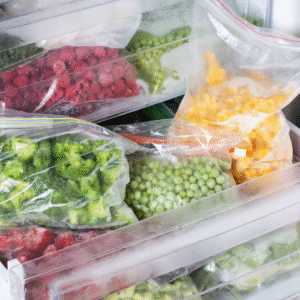
Frozen vegetables are a cost-effective way to maintain nutritional value year-round. Portion control also plays a role in stretching ingredients further while maintaining calorie needs. Choosing nutrient-dense, budget-friendly recipes prevents reliance on processed convenience foods.
Planning Ahead for Stress-Free Dinners
Meal prep saves time and money by preventing last-minute takeaways. Preparing large batches of budget-friendly dinner staples like casseroles or soups early in the week reduces daily cooking effort.
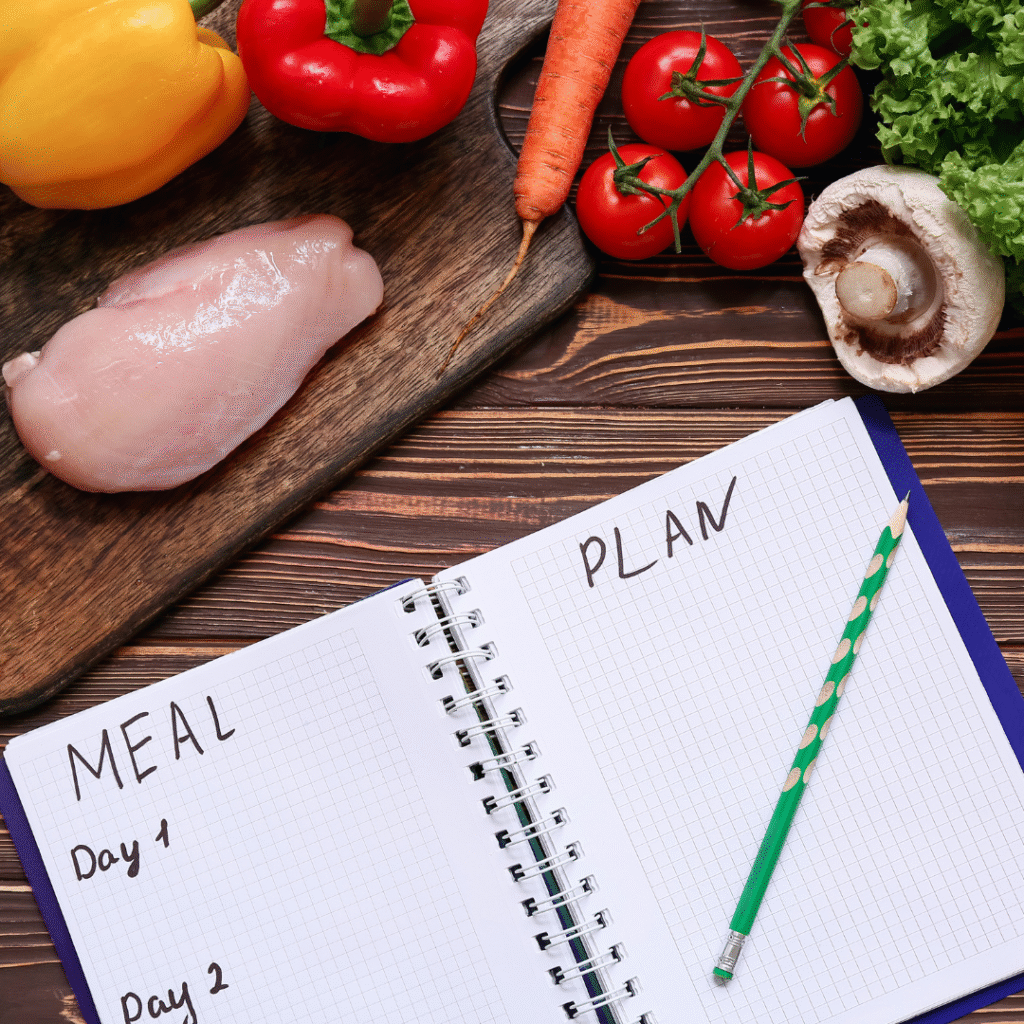
Creating a flexible shopping list focused on midweek meal essentials minimises impulse buys and waste. Planning meals around supermarket deals and what is already in the cupboard supports consistent savings. Having ready-to-heat meals makes busy family mealtimes more manageable and cost-effective.
Essential Ingredients and Clever Substitutions
Budget-friendly meals rely on a few key ingredients and smart swaps that maintain flavour and nutrition while reducing costs. Efficient use of pantry staples, affordable protein alternatives, and versatile sauces help stretch meals without wasting money.
Staple Pantry Ingredients for Affordable Cooking
Pasta, dried legumes like chickpeas and black beans, and canned tomatoes form the backbone of cost-effective meals. These ingredients have long shelf lives and serve as versatile bases for many dishes.
Tomato sauce is an essential cupboard item, useful for turning simple dishes into tasty meals. It pairs well with pasta and beans, offering a rich, familiar flavour.
Items such as peanut butter provide inexpensive sources of fat and protein. Honey and ginger can elevate simple meals with sweetness and spice without adding significant expense.
Protein Options: Cost-Effective Meat and Plant-Based Swaps
Sausages are a budget-friendly meat option but can be complemented or substituted with plant-based proteins like chickpeas and black beans. These pulses are affordable, high in protein, and suitable for a variety of dishes.
Cutting back on meat by incorporating more legumes can reduce grocery bills while maintaining nutritional balance. Yogurt can also be used as a protein-rich ingredient in sauces and dips, adding creaminess with minimal cost.
Avocado provides healthy fats but can be economical if bought in season. Using it sparingly or as a garnish helps add richness without increasing expenses significantly.
Making the Most of Sauces and Flavourings
Simple sauces such as those made from tomato sauce, ginger, and honey create layers of flavour in affordable meals. Combining these with staple spices can reinvent basic dishes effectively.
Yogurt-based sauces add creaminess and tang without the cost of cream or cheese. Using ginger and honey in marinades or dressings enhances taste without relying on expensive ingredients.
Balancing strong flavours allows cheaper ingredients like pasta and legumes to shine, making meals satisfying and budget-conscious at the same time.
Popular Budget-Friendly Meal Ideas for the Whole Family
These meal ideas combine affordable ingredients with easy preparation, ideal for busy households. They use staples like pasta, rice, beans, and potatoes to create filling dishes without high costs.
Pasta Dishes: Spaghetti Bolognese and Pasta Bake
Spaghetti Bolognese is a classic budget meal using minced meat, canned tomatoes, and pasta. It’s easy to make in bulk and can stretch across several meals. Using leftovers in a pasta bake with cheese and vegetables gives the meal new life and reduces waste.
Pasta bake is versatile, allowing frozen or fresh veggies to be added for nutrition. It can be prepared ahead and reheated, saving time on busy days. Both dishes use affordable store cupboard ingredients suitable for family meals.
Rice and Bean Recipes: Egg Fried Rice and Black Bean Options
Egg fried rice uses leftover rice, eggs, and any available vegetables. It’s quick and cheap, ideal for utilising fridge leftovers while still providing protein. Black beans are a budget-friendly and nutritious alternative for meat.
Black bean stews or chilli dishes can be made in large pots, perfect for families. Beans and rice provide a balanced meal with fibre and protein at a low cost. These recipes often freeze well for later use.
Classic British Comforts: Cottage Pie, Sausage Meals, and Mash
Cottage pie combines minced meat, onions, and vegetables under a topping of mashed potatoes. It uses inexpensive ingredients and is satisfying for all ages. Leftover mash is easily reheated or turned into bubble and squeak.
Sausage meals paired with mashed potatoes offer a cheap, filling dinner. Sausages are an affordable protein and can be cooked with vegetables for added variety. These dishes are simple to prepare and suit busy family schedules.
Creative Vegetarian and Legume-Based Family Dinners
Vegetarian meals using chickpeas, lentils, and beans reduce costs while providing good nutrition. Chickpea curry or lentil stews can be made with basic spices and canned tomatoes, which are both cheap and flavourful.
Legume-based dishes are naturally filling and store well for batch cooking. They suit families aiming to limit meat consumption and save money. Combining legumes with grain sides helps make these meals complete and satisfying.
Tips for Saving Money and Reducing Food Waste
Meal prep and smart shopping are key to cutting costs and making the most of ingredients in busy households. Planning, storage, and creativity in using leftovers all contribute to budget-friendly meals and less food waste.
Effective Batch Cooking and Freezer Strategies
Batch cooking allows preparing multiple servings at once, saving time and reducing impulse spending on takeaways. Cooking large portions of staples like pasta sauces, stews, or casseroles can be divided into meal-sized containers.
Freezing these portions extends their shelf life without sacrificing quality. It’s important to label each container with the date and contents to avoid forgotten food. Using airtight, freezer-safe bags or containers prevents freezer burn and maintains freshness.
Batch cooking also limits food waste by using ingredients fully. For example, if a recipe needs half a vegetable, the rest can be chopped and frozen for future use. This approach ensures cheaper, ready-to-go meals during busy evenings.
Using Leftovers Creatively
Leftovers are valuable resources for cheap meals when used inventively. Turning yesterday’s roast chicken into a chicken salad, sandwich, or soup stretches one meal into several.
Stir-fries and fried rice are excellent ways to combine leftovers with fresh vegetables and pulses for nutritious budget meals. Scraps like carrot tops or onion skins can flavour stocks, reducing waste further.
Keeping a small container for scraps in the freezer helps accumulate ingredients for homemade broth. Label leftovers clearly and use them within two days to maintain safety and flavour.
Shopping Smart and Cutting Costs
Shopping with a list based on meal plans helps avoid overbuying. Comparing prices, choosing seasonal produce, and purchasing store brands can save significant money.
Buying staples like rice, lentils, and canned goods in bulk reduces per-meal cost. Checking for discounts on near-expiry items allows for budget-friendly recipes if these items can be used quickly or frozen.
Using loyalty cards and coupons also helps reduce grocery bills. Avoid shopping when hungry to prevent impulse buys that inflate the budget and increase waste.