Meal planning does not have to be complicated or time-consuming. The key to making meal planning simple and stress-free is preparation, organisation, and flexibility. By setting practical goals and using easy-to-follow strategies, anyone can streamline their weekly meals without feeling overwhelmed.
Many struggle with meal planning because they approach it as a strict task rather than a flexible framework. When one learns to prioritise favourite recipes, schedule shopping efficiently, and allow room for spontaneity, it becomes easier to maintain consistency.
This approach helps reduce last-minute decisions and food waste, making mealtimes less stressful. The following tips focus on straightforward methods that anyone can adopt to make meal planning a manageable part of their routine.
The Essentials of Stress-Free Meal Planning
Effective meal planning balances nutrition, convenience, and adaptability. It reduces daily decision fatigue by providing clear guides for meals while encouraging healthy eating habits. Practical strategies focus on achievable goals and staying flexible with changing schedules.
Understanding Meal Planning and Its Benefits
Meal planning involves organising meals in advance to streamline preparation and shopping. It helps avoid last-minute choices, reducing stress and wasted food. Planning also supports balanced nutrition by allowing control over ingredients and portion sizes.
Key benefits include saving time, cutting food costs, and improving diet quality. It encourages buying staples in bulk and using leftovers creatively. This approach makes it easier to maintain healthy eating routines without feeling overwhelmed.
Setting Realistic Meal Planning Goals
Setting achievable goals aligns expectations with daily life demands. Rather than planning every meal strictly, focusing on a few key dinners per week can prevent burnout. Goals might include preparing three homemade dinners or integrating more vegetables gradually.
Realistic targets allow room for unexpected events and reduce pressure. Tracking progress with simple checklists or planners can ensure steady improvement. Clear, attainable goals ensure meal planning remains a positive, stress-free habit.
Keeping Meal Planning Simple and Flexible
Simplicity is essential for stress-free meal planning. Using repeatable recipes and staple ingredients minimises complexity. Lists like a standard shopping list with versatile items—rice, frozen vegetables, canned beans—help speed up grocery trips.
Flexibility accommodates changes in appetite or schedule. Swapping meals between days, using shortcuts like pre-chopped produce, and allowing occasional takeaways, prevent rigidity. This balance of structure and adaptability supports consistent healthy eating without added stress.
Practical Steps to Simplify Your Meal Planning
Efficient meal planning begins with a clear routine, detailed organisation, and mindful use of resources. Focusing on these areas can make weekly planning manageable, streamline grocery shopping, and reduce unnecessary spending and food waste.
Weekly Meal Planning Made Easy
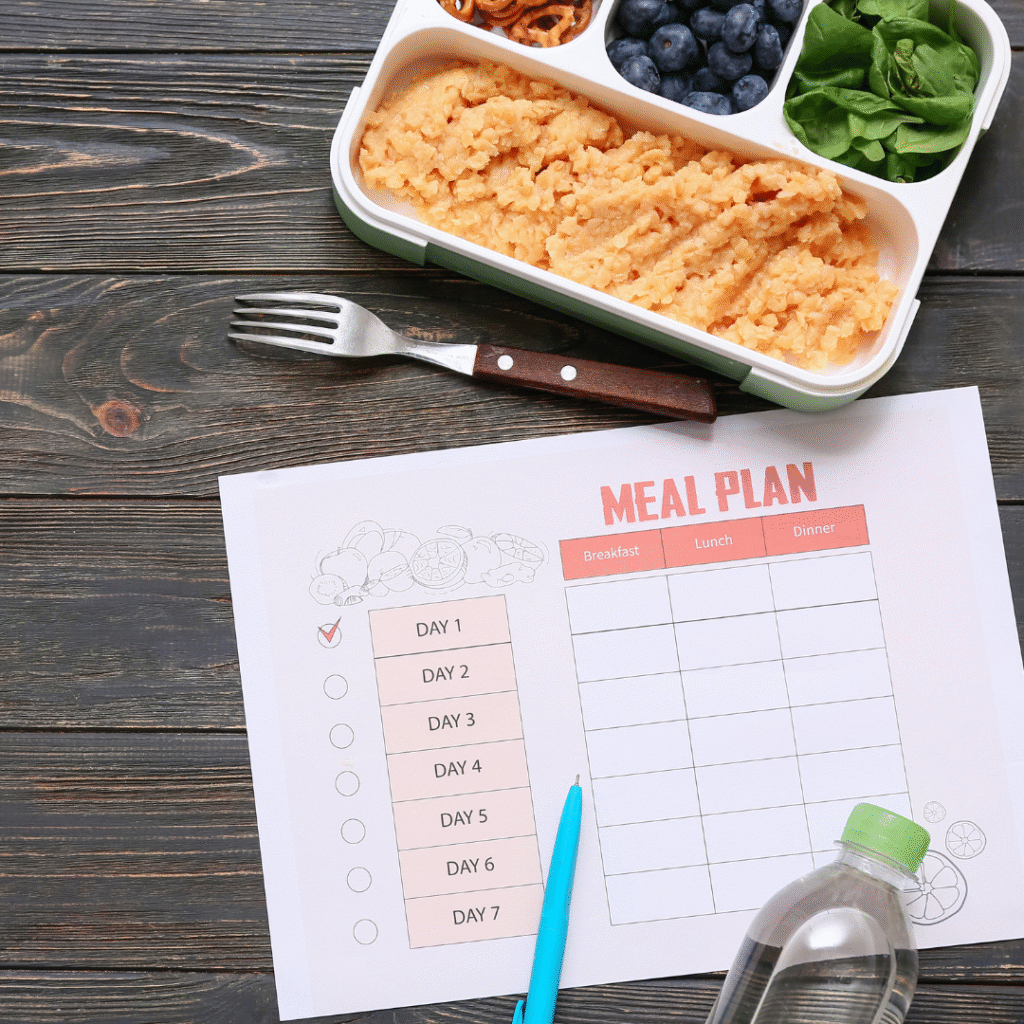
Starting with a consistent weekly meal plan saves time and reduces decision fatigue. Set aside 30 minutes once a week to choose meals for breakfast, lunch, and dinner. Use simple templates with slots for each day, including snacks, to visualise the plan clearly.
Incorporate family preferences and schedule busy days with quick or leftover meals. Plan versatile dishes that use common ingredients to minimise preparation complexity. This approach helps maintain variety while keeping shopping efficient.
A digital calendar or meal planning app can provide reminders and store previous plans. This way, meals don’t have to be reinvented each week, saving effort and maintaining balance in the diet.
Creating and Using a Grocery List
A detailed grocery list based on the weekly meal plan prevents impulse buys and forgotten items. Divide the list into categories such as fresh produce, dairy, pantry staples, and frozen foods for faster shopping trips.
Before writing the list, check what’s already in the fridge, freezer, and cupboards to avoid duplicates. Highlight items needed for multiple meals to prioritise their purchase.
Using a digital list app allows easy editing and sharing. Many apps sync with family members so everyone can add items. This reduces last-minute trips and improves budgeting.
Making the Most of What You Have
Effective meal planning involves maximising ingredients already at home. Start each week by noting leftovers and ingredients nearing expiry. Plan meals around these items to prevent waste.
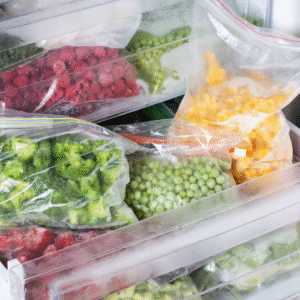
Batch cooking and freezing extra portions ensures ready meals for busy days. Repurpose leftovers into new dishes like soups, salads, or stir-fries to add variety without extra shopping.
Keep staple ingredients such as rice, pasta, canned beans, and spices stocked. These base items help create quick meals when fresh ingredients run low, enhancing flexibility in meal choices.
Reducing Food Waste and Saving Money
Meal planning that targets waste reduction also reduces costs. Buy only what is needed for planned meals and opt for smaller quantities of perishable items when possible.
Store food properly to extend freshness—use airtight containers for leftovers and freeze ingredients that won’t be used immediately. Label and date stored food to track usage.
Keep track of weekly spending alongside the meal plan. Adjust quantities or swap expensive ingredients with more affordable alternatives without compromising nutrition to meet budget goals.
Meal Prep and Batch Cooking Strategies
Effective meal planning relies on preparing multiple components in advance and keeping versatile options available. This reduces daily decision-making and ensures a steady supply of home-cooked meals without stress.
Batch Cooking for Effortless Meals
Batch cooking involves making large quantities of meals or meal components at once. It saves time by using cooking sessions efficiently, such as roasting vegetables, cooking grains, or preparing sauces in bulk. Meals can then be portioned and refrigerated or frozen for later use.
This method is especially useful for busy weekdays when time is tight. It ensures nutritious meals are ready to reheat, cutting down on takeaways or processed food reliance. Label containers clearly with dates to keep track and avoid food waste.
Meal Prep for the Week
Meal prep means assembling ingredients or cooking parts of a meal ahead of time to speed up cooking later. It might include chopping vegetables, marinating proteins, or precooking grains.
This approach helps streamline daily meal assembly and makes it easier to stick to a healthy eating plan. Keeping prepped ingredients stored properly, for example, in airtight containers in the fridge, maintains freshness throughout the week. Consistent portioning also supports balanced nutrition.
Building a List of Go-To and Flex Meals
Developing a list of go-to meals provides reliable, familiar options that can be made quickly without much fuss. These often include simple, nutritious recipes that use common ingredients and take under 30 minutes to prepare.
Flex meals offer the ability to swap ingredients based on what is available. They rely on staples like rice, pasta, or salad bases, and can accommodate different proteins or vegetables. Keeping a balance of both lists ensures variety without added complexity. This strategy helps maintain flexibility while minimising confusion during busy periods.
Expert Tips and Tools for Consistent Success
Efficient meal planning focuses on repeatable systems that reduce daily decision-making and fit seamlessly into busy routines. Combining practical tools with simple habits creates a reliable framework for stress-free meals throughout the week.
Using Templates and Themed Meal Nights
Templates structure weekly plans, saving time by reusing familiar meals. A template might assign specific meal categories to each day, such as “Meatless Mondays,” “Taco Tuesdays,” or “Fish Fridays.” This approach simplifies shopping lists and balances nutrition.
Themed meal nights bring consistency and variety without the guesswork. It also helps with portion control and reduces food waste by planning meals around common ingredients. He or she can prepare one core ingredient used across multiple recipes.
Templates can be digital, printable, or handwritten. The key is consistency and adjustment based on what works best for the household’s preferences and schedule.
Leveraging Technology for Meal Planning
Apps and websites eliminate much of the manual work in creating and organising meal plans. Popular meal planning apps allow users to save favourite recipes, generate shopping lists, and track pantry inventory automatically.
Some platforms offer nutritional breakdowns and allow syncing with grocery delivery services. This integration makes meal planning more efficient, reducing time spent in both preparation and shopping.
Meal planning software often includes features to scale recipes for different household sizes and suggests meals based on dietary preferences or restrictions. This technology supports healthier choices and minimises excess food purchases.
Slow Cooker and Quick Meal Solutions
Slow cooker meals are valuable for their convenience and ability to develop flavours over extended cooking times. Preparing meals in the morning means dinner is ready by evening, reducing mealtime stress after a busy day.
Recipes designed for slow cookers typically require minimal hands-on time and use affordable, easy-to-find ingredients. These meals often provide leftovers, contributing to future meal plans.
Quick meal options, such as stir-fries or sheet pan dinners, complement slow cooker meals for days when time is short. These solutions help maintain variety without sacrificing nutrition or taste.
Involving the Family in Meal Planning
Involving family members in meal planning increases engagement and caters to everyone’s preferences, reducing conflict over choice. He or she might assign roles like researching recipes or creating shopping lists.
Gathering weekly input simplifies decision-making and ensures meals satisfy all tastes and dietary needs. Children can help select themed nights, encouraging healthy food choices through participation.
Family involvement can also build useful cooking skills and promote shared responsibility, making meal times more enjoyable and less stressful for all.