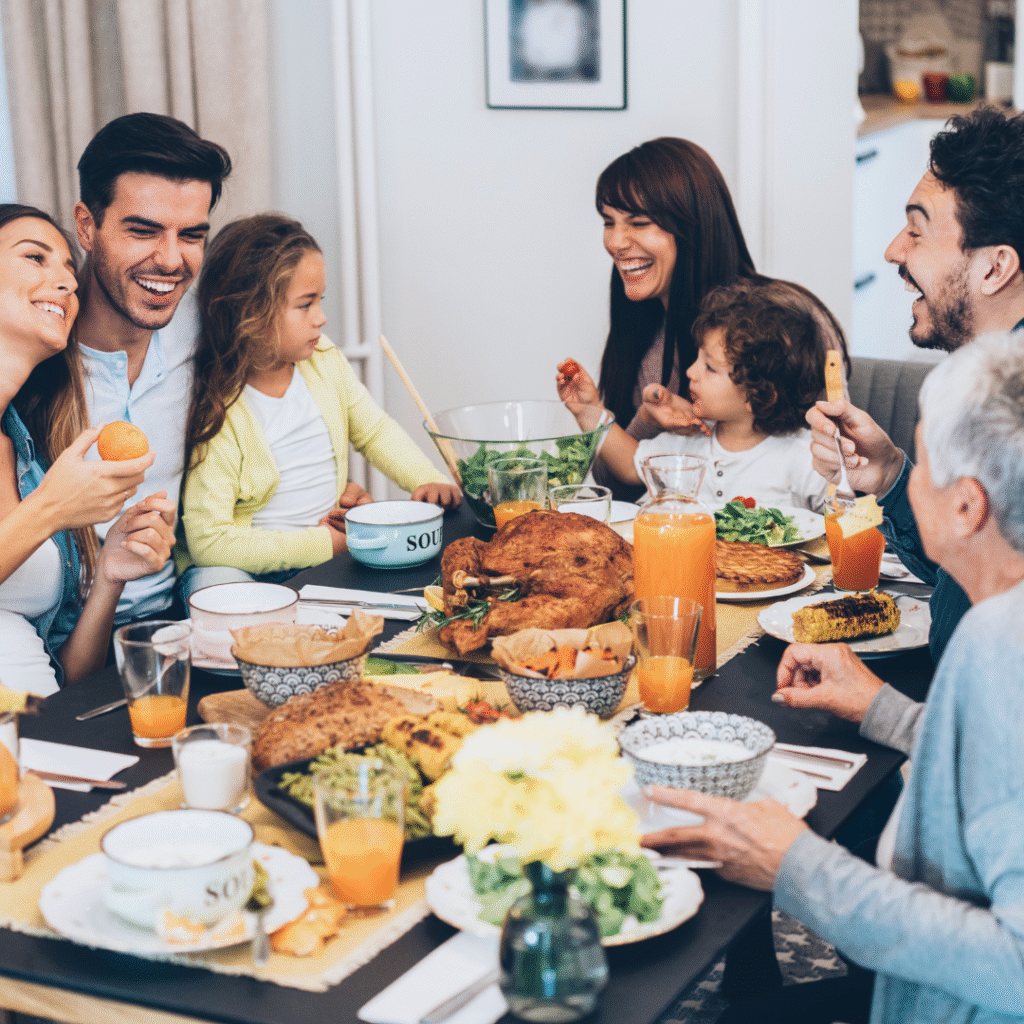
Shared meals create a natural setting for families to connect, offering more than just nourishment. They provide opportunities for conversation, laughter, and the sharing of daily experiences. This simple act strengthens emotional bonds and fosters a sense of belonging.
Regularly eating together encourages open communication and mutual understanding among family members. It helps them build trust and creates a routine where everyone feels valued and heard.
By sitting down to eat as a unit, families establish a reliable space for interaction that supports healthy relationships over time. This practice can improve family cohesion and resilience.
The Power of Shared Family Meals
Shared meals provide essential opportunities for connection, dialogue, and tradition within family life. These gatherings encourage regular communication and a sense of belonging while establishing rituals that strengthen family bonds over time.
Building Connection and Belonging
Family meals naturally create an environment for physical and emotional closeness. Eating together encourages family members to focus on one another, promoting a sense of belonging. Regular shared meals reduce feelings of isolation by reinforcing community bonds within the household.
Parents and children feel more connected when sharing food, as this routine often includes checking in about each person’s day. Breaking bread together symbolises unity and togetherness, which builds trust and security within the family. Consistency in family dinners helps develop a reliable space for emotional support.
Fostering Meaningful Conversations
Shared meals provide structured time for communication, allowing meaningful conversations to unfold naturally. The relaxed setting of a family dinner encourages openness and honesty among members of all ages. This improves communication skills and emotional understanding within the family unit.
Topics discussed during family meals tend to range from daily experiences to personal thoughts, helping to develop empathy and problem-solving skills. The regular opportunity to talk face-to-face without distractions strengthens family relationships and reduces misunderstandings.
Creating Lasting Family Traditions
Family meals are foundational in forming and maintaining lasting traditions. Rituals around preparing, eating, and even cleaning up after meals give families unique routines that enhance identity and continuity.
These shared experiences create memories that children and adults carry forward, reinforcing the family’s history and values. Traditions like weekly Sunday dinners or celebrating holidays with special meals contribute to a stable family culture that promotes belonging and lasting emotional ties.
Cooking and Dining Together as a Family
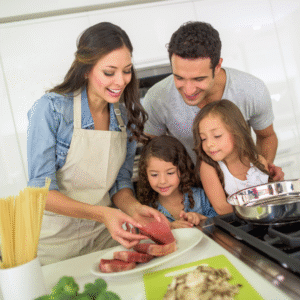
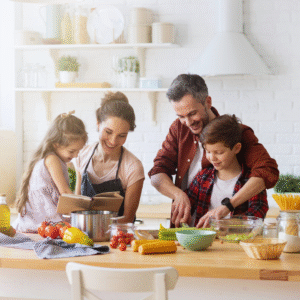
Cooking and dining as a family involve active participation, shared responsibilities, and joint decision-making. These practices foster collaboration in the kitchen, promote healthier food choices, and engage family members in meal planning.
Encouraging Teamwork in the Kitchen
When family members cook together, each person contributes different skills, creating a natural team environment. Assigning specific tasks, such as chopping vegetables or setting the table, builds cooperation. Parents often find it helpful to assign age-appropriate roles that teach responsibility and encourage participation.
Working side by side also offers opportunities for communication. Families can use simple conversation starters related to the recipe or daily experiences, which helps maintain a positive atmosphere. This sense of shared accomplishment strengthens relationships and instils a routine based on mutual support.
Boosting Healthy Eating Habits
Group cooking naturally introduces families to more nutritious choices. Preparing meals together allows them to select fresh ingredients and avoid processed foods. Children learn about portion sizes and the benefits of fruits, vegetables, and whole grains during the process.
Families who cook at home tend to make healthier decisions because they control the ingredients. Discussion about healthy alternatives, such as using olive oil instead of butter, encourages better habits. Regular dining together reinforces consistent exposure to balanced meals, reducing the temptation of fast food.
Meal Planning and Involvement
Including everyone in meal planning increases engagement and ensures that dietary preferences are considered. Families typically find it useful to create weekly menus, which distribute tasks and prevent last-minute decisions. This planning leads to a more organised shopping list and reduces food waste.
Inviting children to select meals or contribute ideas fosters a sense of ownership. Simple tools like recipe charts or planners can guide discussions. This involvement not only improves mealtime satisfaction but also teaches planning and budgeting skills through practical experience.
Navigating Modern Challenges to Shared Mealtimes
Families today face real obstacles when it comes to eating together regularly. Time constraints, varying dietary needs, and social dynamics all affect the ability to maintain consistent shared meals.
Busy Schedules and Competing Priorities
Many family members juggle work, school, and extracurricular activities, leaving limited time for joint meals. Evening hours are often fragmented, making it difficult to find a common mealtime.
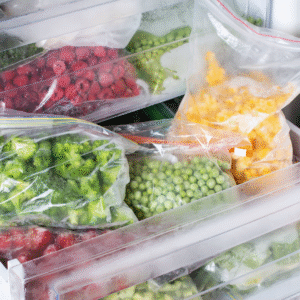
Planning is essential. Setting fixed meal times or preparing meals in advance can improve consistency. Even brief shared meals foster connection, so flexibility is key.
Technology can either disrupt or support mealtimes. Turning off devices and establishing screen-free zones helps reinforce the focus on interaction.
Dietary Restrictions and Preferences
Allergies, intolerances, or lifestyle choices like vegetarianism require meal adaptations. These needs can complicate meal preparation and limit shared menu options.
Families benefit from clear communication about each member’s dietary needs. Planning diverse meals or separate components ensures everyone eats safely and comfortably.
Using simple recipes with modifiable ingredients also aids inclusion. It prevents the isolation of members who have to eat differently.
Overcoming Social Barriers
Social barriers, such as busy households or differing cultural traditions, can hinder shared dining experiences. Emotional tensions or conflicts may also make mealtimes stressful.
Creating a neutral, respectful environment encourages participation. Establishing shared rituals or traditions can build a positive atmosphere around the table.
Clear roles and consistent routines reduce friction. When everyone feels heard and included, shared meals become more meaningful despite social challenges.
Cultural and Community Aspects of Sharing Meals
Sharing meals plays a significant role in promoting cultural understanding and strengthening community bonds. It facilitates an exchange of traditions, helps overcome social divisions, and fosters a sense of belonging through collective dining experiences.
Exploring Diverse Cuisines
Meals often serve as a gateway to experiencing diverse cultures. Trying different cuisines allows individuals to appreciate unique ingredients, cooking methods, and flavours rooted in cultural heritage.
This exposure encourages respect for cultural differences and sparks curiosity about traditions beyond one’s own. Families who incorporate international dishes into shared meals expand their knowledge and enjoyment of global food customs, enriching their relationships and broadening their worldview.
Breaking Down Cultural Barriers
Eating together offers a platform to overcome cultural and social barriers. Sharing food often neutralises tensions by creating a relaxed environment, where participants connect through a basic human need.
When families or communities share meals that blend different cultural elements, it cultivates empathy and reduces prejudices. This interaction helps dismantle stereotypes and promotes inclusivity, strengthening ties between diverse groups.
Community and Communal Dining
Communal dining reinforces social ties within communities. Events like community meals, potlucks, and social dining initiatives bring people together to share not only food but also stories and experiences.
Such gatherings build trust and cooperation, especially in multicultural neighbourhoods. Communal meals symbolise unity and collective identity, encouraging ongoing support and collaboration among participants.